Updated 4/5/2011
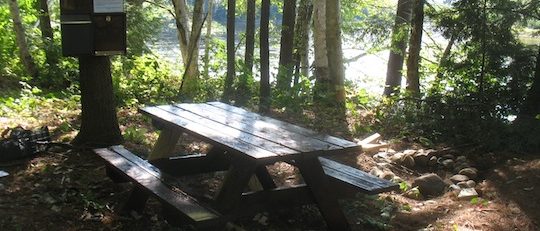
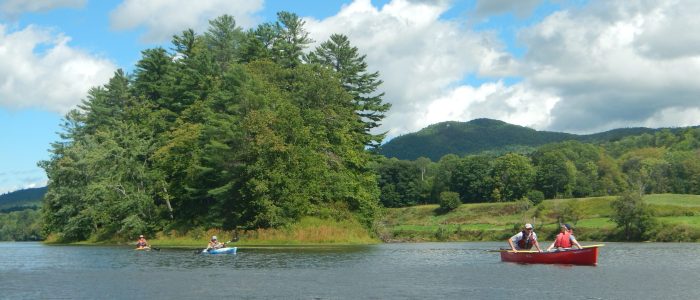
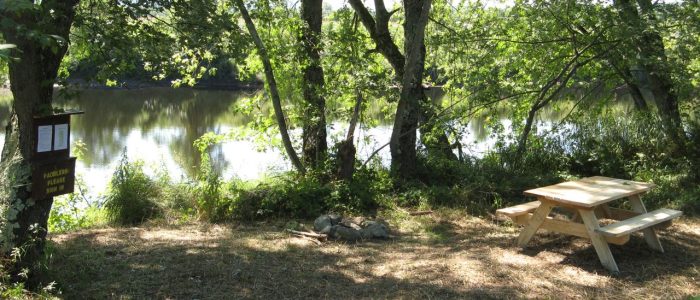
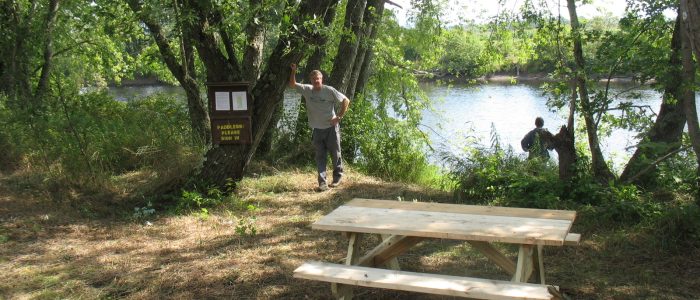
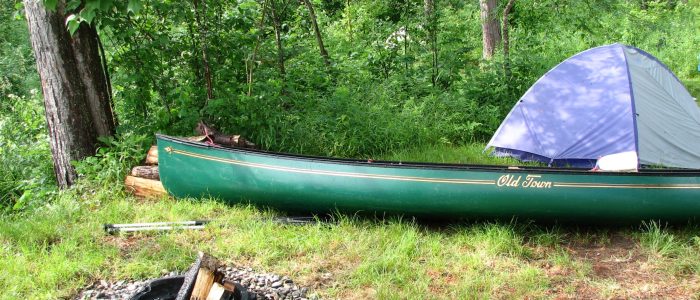
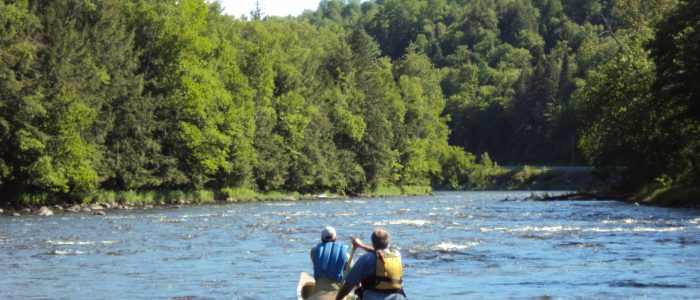
Our vision is a Connecticut River Paddlers’ trail that brings New Hampshire and Vermont communities, conservation organizations, state and federal agencies, businesses, volunteers, and visitors together to protect, steward, enjoy, and benefit from a series of primitive campsites and river access points spanning from the river’s headwaters south to the Massachusetts border. We recognize the region’s rich ecology and productive working landscape and seek to facilitate recreational use compatible with the river valley’s natural, social, and historic character.
A collaborative of loosely connected organizations will assist with trail planning and development, build and steward primitive campsites, improve access points and portage trails, and disseminate information to visitors. All partner organizations will have access to a database containing information on campsites, access points, landowners, volunteer stewards, stewardship priorities, among other information. An email list-serve will assist with information sharing and planning. When appropriate, collaborating organizations will jointly apply for funds, share stewardship resources, and form partnerships to carry out specific projects and river events. Annual meetings will provide opportunities for planning, reflection on trail successes, and discussions on new challenges.
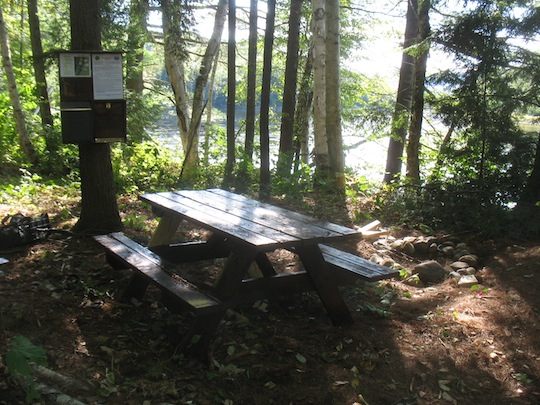
Campsite and river access development will follow a shared management protocol designed to maintain the integrity of the river experience, ensure proper etiquette and standard expectations by trail users, encourage adequate stewardship, and to maintain good relationships with landowners. The protocol will draw upon best practices established by the Northern Connecticut River Working Group, the National Park Service Rivers and Trails Conservation Assistance Program, the Northern Forest Canoe Trail, and the Upper Valley Land Trust. Campsite development, as well as ongoing stewardship, will be carried out by volunteers, scout troops, and youth stewardship corps who will work together to mitigate the impacts of recreation use.
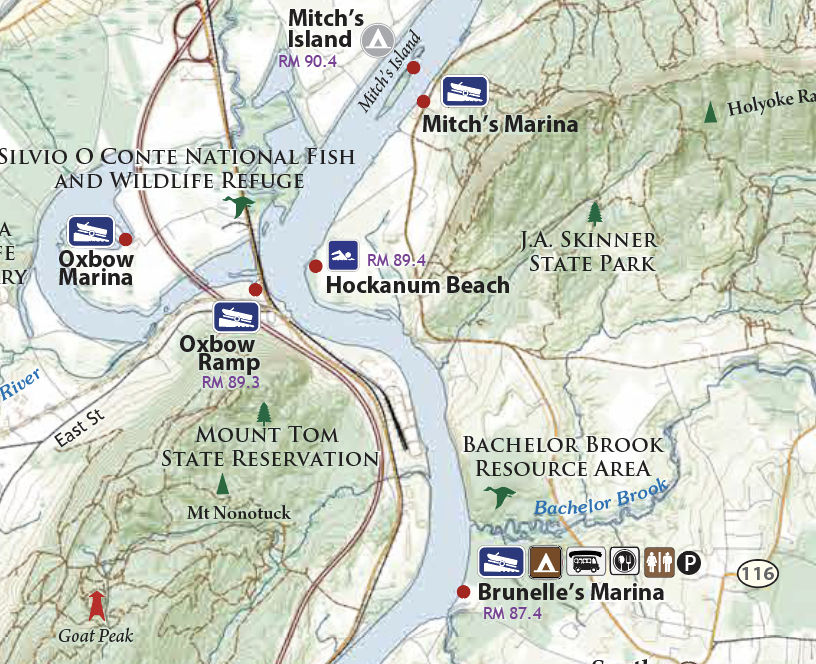
Trail promotion will be coordinated and carefully managed, recognizing that overuse could both degrade campsites and the scenic experience visitors seek. At a website, jointly maintained and updated by collaborators, visitors will be able to obtain trail and campsite updates, explore maps, post trip experiences, and connect to and support partnering organizations. Unified way-finding signage will assist visitors in finding access points. Visitors will also have access to a waterproof map, sold by area outfitters.
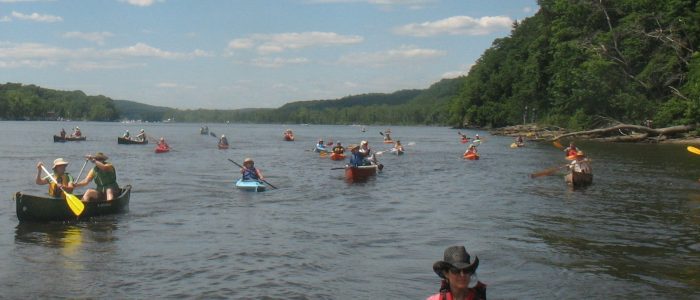
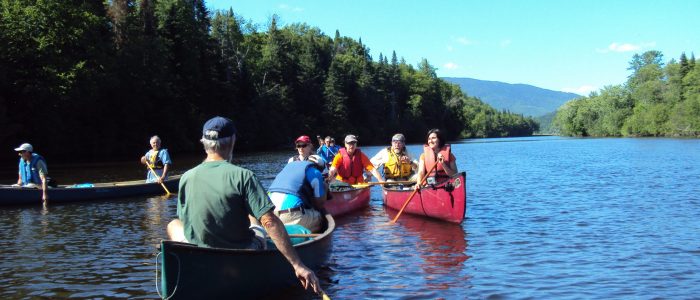
Collaborating partners will host river events that showcase area paddling opportunities. Both the purchase of the map and river events will help raise funds for ongoing campsite stewardship efforts. Outreach to paddlers will create an engaged user group that not only recreates in a manner that is compatible with the natural and historic resources of the river valley, but who, working with area partners, assists with resource protection and river enhancement projects.